Texas Home Visiting is a free and voluntary program designed to support families during one of the most important stages of life, early childhood. The program connects trained professionals with expectant parents and families who have children five years old and younger. These professionals visit families in their homes, creating a comfortable and familiar environment where parents can ask questions, learn new skills, and receive guidance tailored to their unique situation.
The goal of Texas Home Visiting is simple. It helps children grow up healthy, safe, and ready to learn. At the same time, it supports parents and caregivers by giving them tools, confidence, and encouragement. Because the visits take place in the home, families receive support in real time, where daily routines and real-life challenges happen.
Families who enroll in Texas Home Visiting are matched with a trained home visitor. This may be a nurse, early childhood specialist, or another qualified professional. These visitors follow proven, evidence-based models that focus on child development, parenting skills, and family well-being.
Visits usually happen on a regular schedule. During each visit, the home visitor works with the family to build practical skills. For example, they may demonstrate ways to support a child’s learning through play, show how to create safe sleep environments, or discuss nutrition and health habits. At the same time, they listen to the family’s concerns and help problem-solve everyday challenges.
Because of this hands-on approach, families are not just given advice. They are shown how to apply it in their own home, with their own child.
Texas Home Visiting has a lasting impact on both children and caregivers. Children benefit from early support that helps them meet important developmental milestones. They are more likely to enter school ready to learn, with strong language, social, and emotional skills.
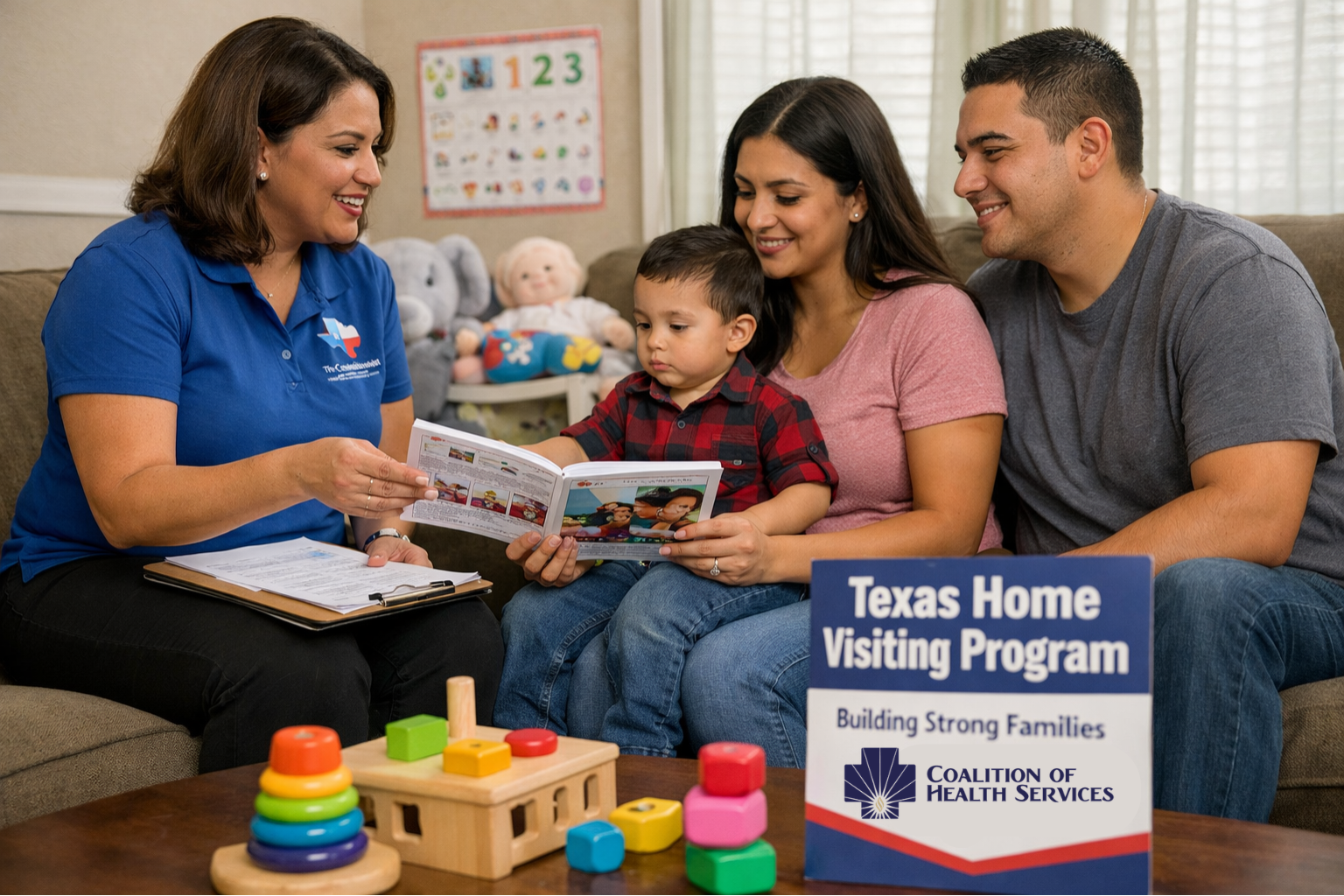
Parents and caregivers also see meaningful benefits. Many report feeling more confident in their parenting. They learn how to respond to their child’s needs, how to manage stress, and how to create a positive home environment. Over time, this leads to stronger family relationships and a more stable home life.
The program also helps reduce risks. Families gain knowledge about child safety, injury prevention, and healthy routines. Because of this, children are less likely to experience preventable health or developmental issues.
Texas Home Visiting focuses on families who are expecting a child or raising young children. This includes parents, grandparents, and other primary caregivers who have a consistent role in a child’s life. The program recognizes that every family looks different, and it meets families where they are.
Support is personalized. Some families may need help understanding early childhood development. Others may be looking for guidance on balancing work and parenting. Some may need help connecting with community resources. The program adapts to these needs, making it flexible and practical.
Families are eligible if they are expecting a child or caring for a child from birth up to age five. In many cases, support can continue until the child reaches kindergarten age. Families must live within a designated service area to participate.
Participation is always voluntary. Families choose to join, and they can decide how long they want to stay in the program. This creates a respectful and supportive environment where families feel comfortable and in control.
Texas Home Visiting does more than support individual families. It helps build stronger communities. When parents are supported, children thrive. When children thrive, schools and communities grow stronger.
By investing in early childhood and family support, the program creates long-term benefits. Families become more self-sufficient, children are better prepared for the future, and communities become healthier and more connected.
Texas Home Visiting is not just a program. It is a partnership between families and professionals, working together to create a better start for every child.
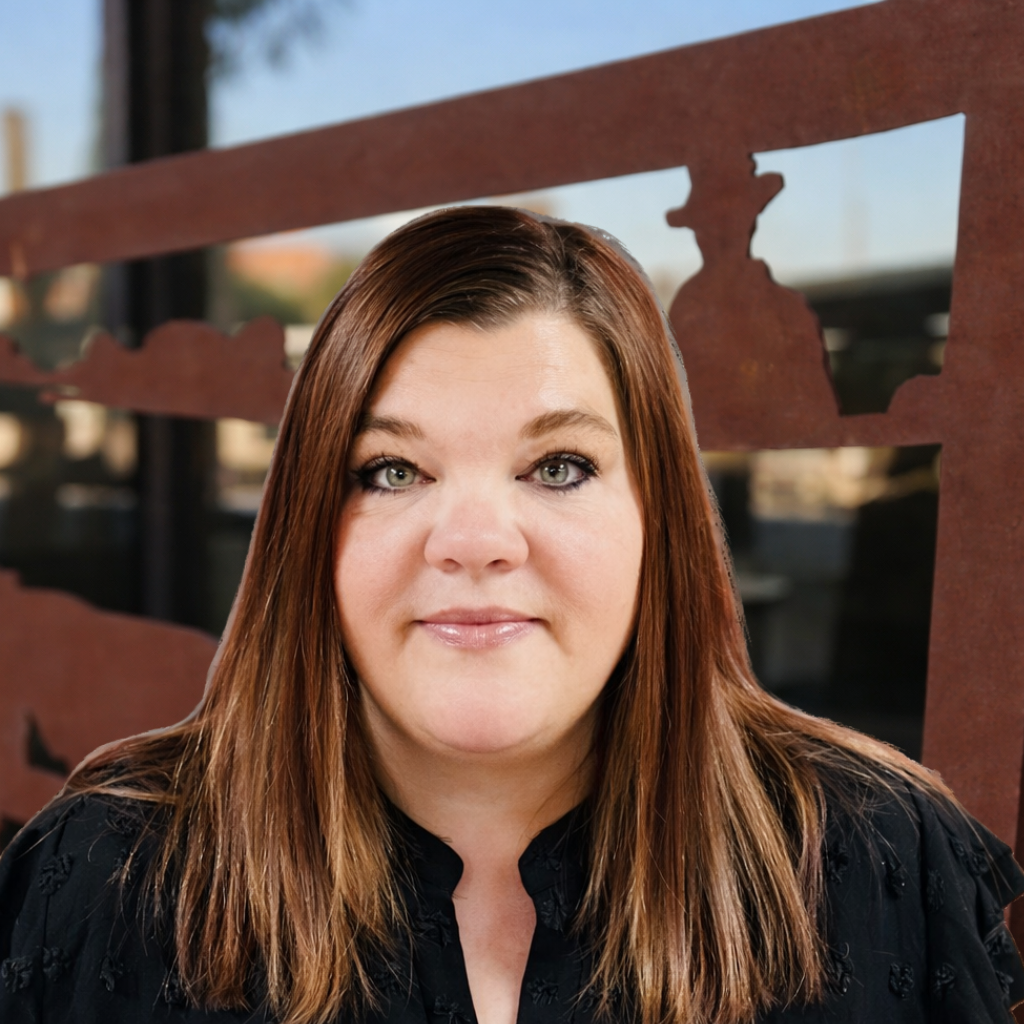
Kacie Bell
Is the Project Director of the Texas Home Visiting Program under the Coalition of Health Service in Amarillo that works with at risk families and children in their homes aging from prenatal and birth to 5 years of age to help parents become self-sufficient and give children a boost to get ready for school. Kacie started at the inception of the Texas Home Visiting Program in 2012. By way of background, Kacie worked with pregnant teens, parents, and their children at two of the local high schools for ten years under AISD and Region 16. In addition, she worked in direct services as a Home Visitor for Region 16 Early Head Start for 3 years. She has a passion for meeting families where they are, and in turn empowering them to become successful. If Kacie is not working, she is watching her only daughter, Taytum, play basketball, whom is now a college student athlete, freshman, at WTAMU and on the Lady Buff Basketball team. Kacie holds a Bachelor’s of Science Degree in Occupational Education from Wayland Baptist University.
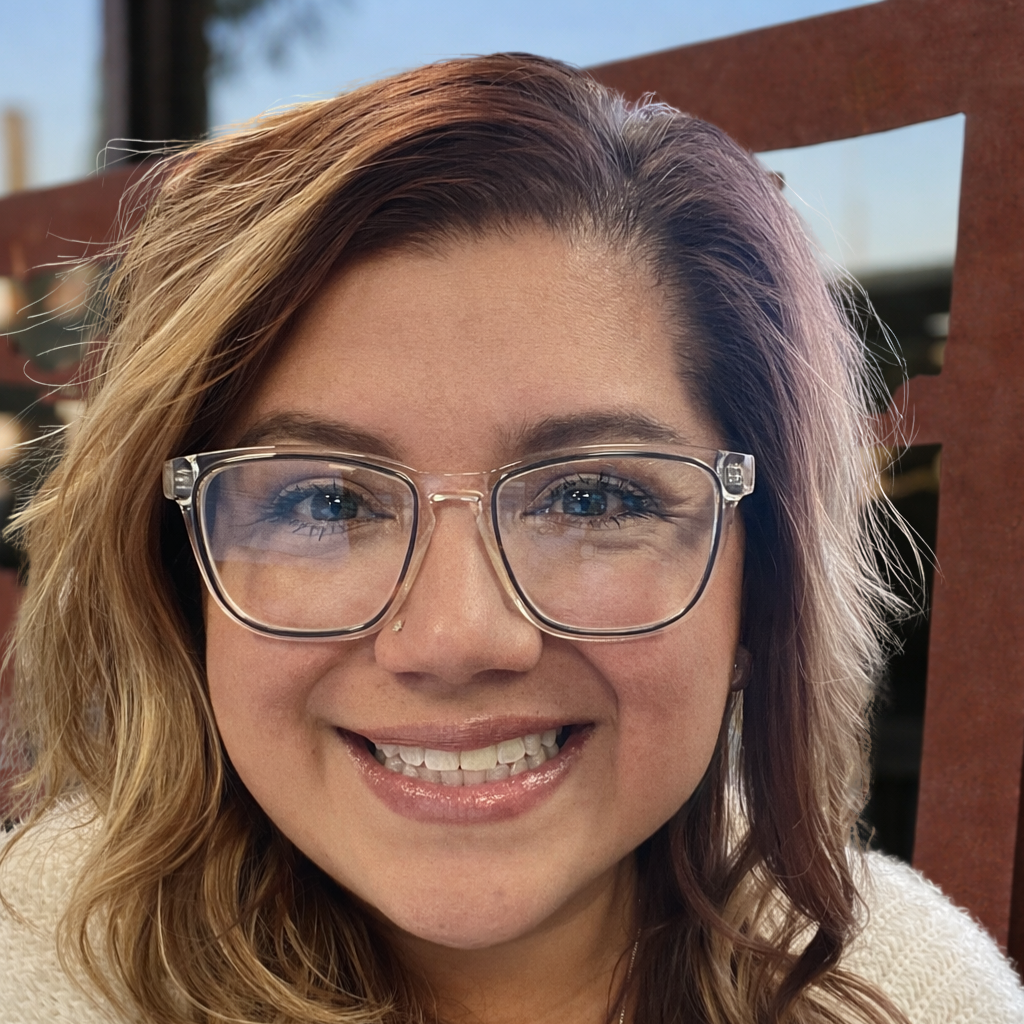
DeDe Martinez, CHW
I have worked for the Coalition of Health Services for 10 years. I was a HIPPY Home Visitor for five years and then transitioned to Outreach Coordinator for the Texas Home Visiting Programs. I inform our community, about our free evident-based program models such as Nurse Family Partnership (NFP), Home Instruction for Parents of Preschool Youngsters (HIPPY) and Parents as Teachers (PAT). I inform them about each program requirement, how they can complete an application and how important school readiness is for young children starting a birth. Also, I currently received my Community Healthcare Worker Certificate, and I am now able to help others in the community with resources when needed. I am an Amarillo native and have been married for twenty years and we have four kids (3 girls and a boy). I can’t forget my favorite dog, yorkie-poodle Coco!
I love what I do because I get to inform the community about all our local resources and the let families know how important education is at an early age.